The Short-Term Rental Income In A Las Vegas Listing Doesn't Come With The Deed
October 15, 2026
October 15, 2026
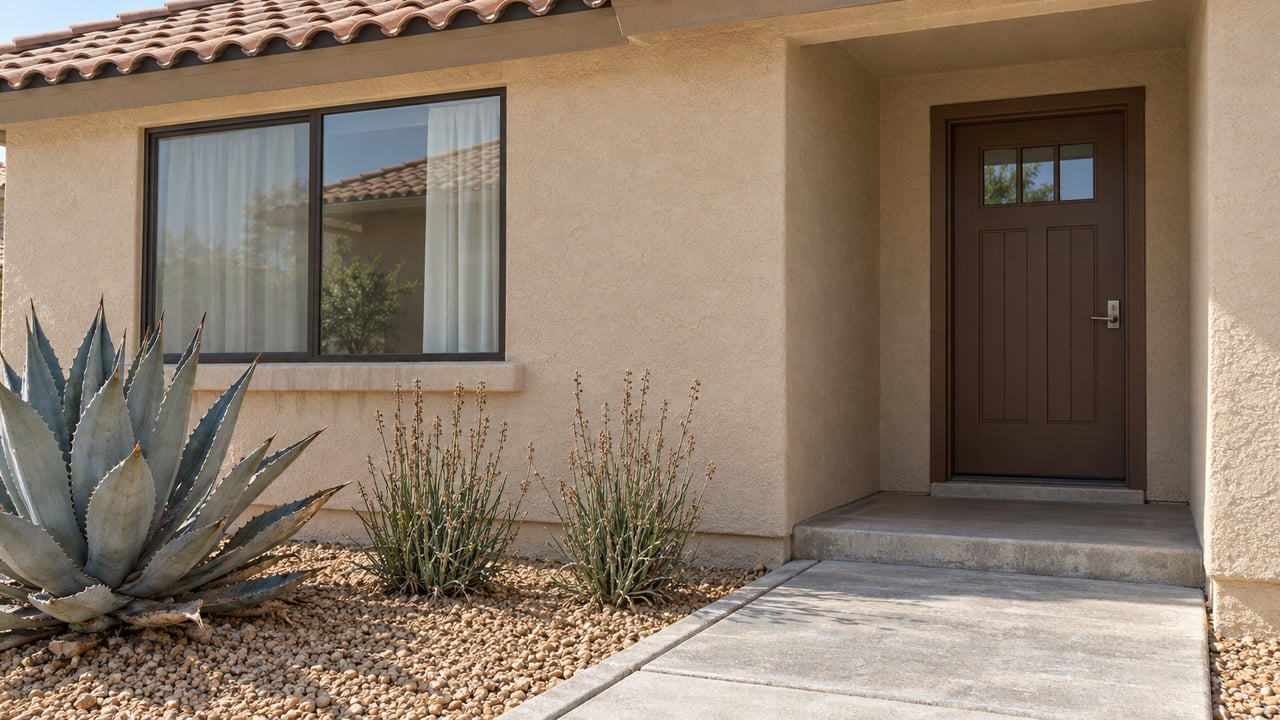
The listing described a "spectacular home" with "competitive monthly income." A short-term rental was operating there under an ongoing lease. In August 2025 the home was purchased as an investment, according to FOX5 Las Vegas.
The City of Las Vegas had opened a case against that rental in September 2024 after a complaint. That was almost a year before the purchase. The rental was unlicensed. City code enforcement has since calculated a fine of $41,500, which is $500 a day across more than 80 booked guest days. An attorney has asked the city to cut the amount based on actual stays. The case goes to a City Council hearing in late October, so the final number isn't settled.
The amount matters less than the order of events. The city had an open case on the rental before the sale, and the listing still marketed the bookings as income. At closing, that history came with the property, and no license covered continued bookings. Inside Las Vegas city limits, the rules make that likely for many homes marketed this way.
The city's own 2026 eligibility handout lays out who can get a short-term rental license. A home may qualify if:
Compare that list with the home in the FOX5 story: a house purchased as an investment, a rental operating under a lease, and no owner living on site. Under the first item alone, that setup isn't the kind of property the city's license covers. A buyer who plans to keep the income going after closing runs into the same problem. A short-term rental with an absentee owner doesn't meet the city's eligibility test, however good its booking history looks.
The process has more steps than most buyers expect. The city's application instructions call for planning approval through a Conditional Use Verification, a home inspection, and a business license review. The applicant has to be the owner. The annual license fee is $500, liability coverage has to be at least $500,000, and no renting is allowed until the whole process is finished. That PDF sits in a 2026 folder but carries a 2024 date in its footer, so it's worth confirming current figures with the city's business licensing office.
Penalties are counted by the day. The city's 2017 short-term rental ordinance treats each day of a violation as a separate offense. In the FOX5 case, that daily count multiplied across a booking calendar is how the total reached five figures.
The income is real money, which is why it shows up in listing copy. The Las Vegas Sun, citing AirDNA, reported that as of July 2026 there were 21,697 short-term rental properties across Las Vegas, with average occupancy near 50% and an average daily rate of $271. About 64% were listed on Airbnb. At those averages, a booking calendar can look like a big part of a home's value.
Those numbers count listings, not licenses. The same Sun article reported that unincorporated Clark County had issued roughly 220 short-term rental licenses since its 2022 ordinance, with about 116 pending. The gap between those figures explains how a home can show a full calendar and still have no legal standing as a rental.
Las Vegas Valley addresses don't all fall under the same rulebook. Clark County's ordinance covers only unincorporated areas. Its own FAQ says it doesn't govern properties in incorporated Las Vegas, Henderson, or North Las Vegas. A buyer looking at homes on both sides of a city line is looking at two different sets of rules.
| City of Las Vegas | Unincorporated Clark County | |
|---|---|---|
| Owner on site | Required for the guest's entire stay | Doesn't change licensing treatment |
| Spacing from other STRs | 660 feet | 1,000 feet |
| Spacing from resort hotels | 2,500 feet | 2,500 feet |
| License supply | Eligibility-based | Capped at 1% of eligible units per area |
| Application status | Open process through city licensing | Single window in 2022–23, then closed |
| Enforcement right now | City ordinance in effect | Limited by a federal injunction that's being narrowed |
The bottom row is where things are moving. According to the Sun, a federal judge issued a preliminary injunction in December that stopped fines, penalties, and liens against short-term rental owners in the county. On October 7, 2026, the Ninth Circuit agreed that the operators were entitled to relief because of how the county's licensing process had worked. It also said the injunction went too far, since it "effectively authorizes anyone in the County to operate unlicensed short-term rentals, including nonparties and those who have never applied for a license." The court's memorandum suggests a narrower order. It could require the county to reopen its application portal, set a deadline for processing applications, and protect people with pending applications. It also notes that the county said it was willing to reopen the portal. FOX5 reported that the case went back to the district court. As of today, October 12, no narrowed order has been reported.
The county is also going after the booking platforms. Commissioners voted 5–0 on August 18 for an ordinance that took effect September 2, KSNV reported. Platforms such as Airbnb and Vrbo now have to verify a county license before taking payment, display license information, and deactivate unlicensed listings. Platforms face a $500 penalty for a first violation and $1,000 for each one after that. For an unincorporated listing that advertises rental income, the income now depends on the booking platform as well as the county.
The injunction case names Clark County. It doesn't name the City of Las Vegas, which runs its own ordinance and enforcement. Whatever happens with the county injunction, city-side cases like the one in the FOX5 story continue.
Many buyers assume the seller disclosure will reveal a problem like this. Nevada's Seller's Real Property Disclosure Form, NRED Form 547 revised June 1, 2023, asks the seller about several related conditions.
"Any construction, modification, alterations, or repairs made without required state, city or county building permits?"
"Any encroachments, easements, zoning violations or nonconforming uses?"
"Any unpaid assessments, fines or liens, and any warnings or notices that may give rise to an assessment, fine or lien?"
"Any other conditions or aspects of the property which materially affect its value or use in an adverse manner?"
The question about warnings and notices sits under the common-interest-community section, which covers HOA matters. The form has no separate question that names a city code enforcement case or a business licensing violation. Whether an open case like the one in the FOX5 story counts as a zoning violation, a nonconforming use, or a condition that materially affects use falls under the catchall questions. Those answers depend on how the seller reads them.
NRS Chapter 113 defines a defect as a condition that materially and adversely affects a home's value or use. The seller has to deliver the form at least 10 days before conveyance and disclose newly discovered defects in writing before closing. The statute also says the form isn't a warranty, that sellers don't have to disclose defects they don't know about, and that buyers keep a duty of reasonable care. The law has remedies for a seller who knowingly withholds a defect. Even so, the form is built around what the seller knows, and a case opened over a rental operation may never have reached the seller.
Given all of this, the useful checks happen before closing. On a home listed with short-term rental income, these questions tend to come up:
On these files, an attorney, the city's business licensing office, and the title and escrow team each answer part of the question. None of them answers all of it.
If a home has strong booking history and reviews, doesn't that show it's legal? No. The Sun's July 2026 count of 21,697 listings across Las Vegas compared with about 220 county licenses issued shows how far apart listings and licenses can be.
Does the federal court case stop enforcement inside the City of Las Vegas? The case is against Clark County and concerns the county's licensing system. The city enforces its own ordinance separately.
Will Clark County reopen applications? The Ninth Circuit said a narrower injunction could require that, and the county said it was willing. As of October 12, 2026, the district court hasn't issued a narrowed order.
If you're looking at a Las Vegas Valley home that's marketed with rental income, or you're selling a home that has been used as a short-term rental, I can help you work out which rules apply to that parcel and what should be confirmed before the contract goes firm. Reach out to Lisa Vaughn to talk it through. Let's Connect.
This article is general information, not legal, tax or financial advice. Consult a qualified professional about your situation.
Stay up to date on the latest real estate trends.
I am committed to guiding you every step of the way—whether you're buying a home, selling a property, or securing a mortgage. Whatever your needs, I've got you covered.

Lisa Vaughn
2225 Village Walk Dr Ste 260 Henderson NV 89052