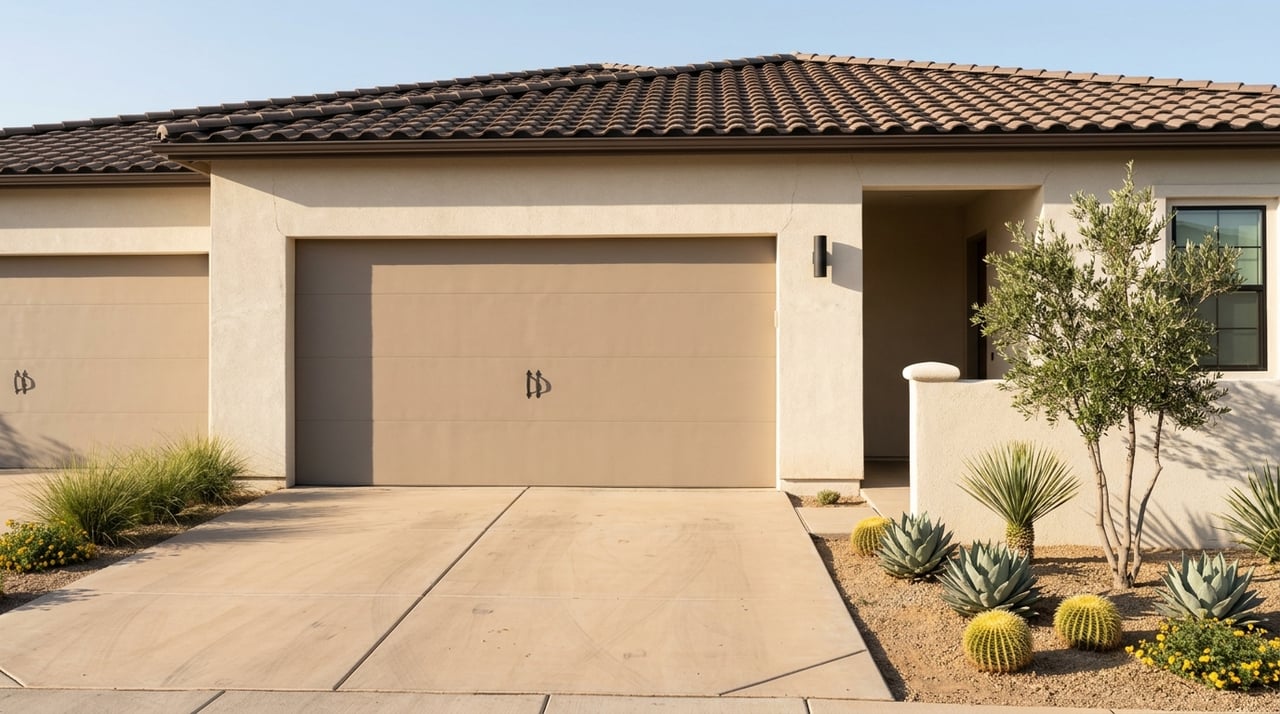
Your Guide to Townhome Living in Las Vegas
July 16, 2026
July 16, 2026
If you want a home that feels more like a house than a condo, but with less upkeep than a detached property, a townhome may be worth a close look. In Las Vegas, that choice can be especially appealing when you want a practical layout, a garage, and a more manageable maintenance routine. Understanding how townhome living works here can help you compare your options with more confidence. Let’s dive in.
In Las Vegas, townhomes are most often located in common-interest communities that are governed by a homeowners association, or HOA. That means your ownership experience is shaped not just by the home itself, but also by the community’s governing documents, rules, and budget.
Under Nevada law, the association is generally responsible for common elements, while the owner is responsible for the unit unless the declaration says otherwise. In real life, that means the exact split between HOA duties and owner duties can vary from one community to another. This is one of the most important details to confirm before you buy.
Townhomes often fall somewhere between condos and detached homes in how they live day to day. In local communities, they may offer features like private backyards, courtyards, attached garages, and multi-story floorplans. That can make them a strong fit if you want more separation and usable space without taking on the full maintenance load of a traditional single-family home.
For many buyers, the biggest draw is lower-maintenance living. A townhome can give you a more house-like setup while reducing the amount of exterior work and yard care you would likely handle with a detached home.
That balance is one reason attached-home living shows up so often in large Las Vegas master-planned communities. Some local communities market townhomes as flexible, simple, and lock-and-leave friendly, which can appeal if you travel often, work long hours, or just want fewer home maintenance tasks on your list.
Townhomes can also be useful when you are comparing monthly cost, purchase price, and upkeep together. In some cases, they may offer a lower-entry option than a single-family home, but it is important to weigh HOA dues and amenity costs along with the sales price.
One of the most common buyer questions is simple: What does the HOA actually cover? The answer depends on the community’s governing documents, not just the listing description.
Nevada law says the association is responsible for common elements, and the owner is responsible for the unit unless the declaration states otherwise. Because of that, some communities place more exterior maintenance on the HOA, while others place more responsibility on the owner.
HOA dues often help fund:
The Nevada Real Estate Division notes that assessments are generally paid monthly. It also explains that reserve funds are intended for major repair and replacement items, not ordinary day-to-day maintenance.
If you are comparing two townhome communities, do not assume the same monthly dues mean the same level of coverage. One HOA may handle more exterior items, while another may offer different amenities or reserve funding levels.
Before you purchase a townhome in an HOA community, take time to review the resale package or disclosure materials carefully. These documents can tell you far more than a quick online description ever will.
According to the Nevada Real Estate Division, those materials may include the declaration, bylaws, rules and regulations, monthly assessments, unpaid assessments, the current operating budget, a financial statement, a reserve summary, and any pending legal actions. That information gives you a clearer picture of both your obligations and the community’s overall management.
Pay close attention to the CC&Rs because they bind current and future owners. If you want clarity on roof maintenance, exterior repairs, landscaping, parking, or use restrictions, this is where those answers often live.
Las Vegas offers a wide range of townhome living, and local master-planned communities provide some of the clearest examples. The options are not one-size-fits-all, which is why it helps to look at floorplans, community setup, and maintenance structure together.
Summerlin offers low-maintenance homes in nine neighborhoods and more than 30 attached floorplans. Recent townhome offerings there include layouts ranging from about 1,448 square feet to more than 2,600 square feet, with features such as private backyards, three-story designs, rooftop deck options, and neighborhood pool access.
That variety shows how broad the townhome category can be. Some homes feel compact and efficient, while others offer a larger footprint and more outdoor space. If you are shopping in Summerlin, it is smart to compare not just size and style, but also whether the home is structured more like a condo or a townhome and what the HOA covers.
In northwest Las Vegas, Skye Canyon is another helpful example. Its Topaz townhome neighborhood includes two-story homes from 1,256 to 1,665 square feet with three bedrooms, 2.5 baths, an upstairs loft, a two-car garage, quartz countertops, and 9-foot ceilings.
Skye Canyon also highlights HOA-managed parks, trails, fitness, and resident amenities. That can matter if your goal is to enjoy shared features without managing them yourself.
In the southwest valley, Mountain’s Edge shows that townhome development is active well beyond the Strip area. Clark County describes Mountain’s Edge as a master-planned community in Enterprise, and the community association notes property maintenance guidelines, architectural standards, parking, pets, conduct, and common-area expectations.
For buyers, that is a good reminder that the townhome lifestyle includes both physical features and community rules. It is not just about the floorplan. It is also about how the neighborhood is managed day to day.
Many buyers use these terms interchangeably, but they are not always the same in practice. In Las Vegas, a condo may offer the same low-maintenance appeal, but it can feel more vertical or compact depending on the design.
For example, local condo offerings in Summerlin range from around 1,003 to 1,956 square feet and may include one to two bedrooms or living space above a garage. Townhomes in the same market may include larger layouts, more private outdoor space, or a more house-like entry and flow.
The main takeaway is this: do not rely on appearance alone. The legal structure of the property and the HOA’s maintenance responsibilities often matter more than whether the exterior looks like a condo or a townhome.
A townhome may be a strong fit if you want a simpler ownership experience without giving up too much space. That can be especially true if you prefer attached living, want less yard work, or like the idea of shared amenities.
It may also make sense if you are comparing new construction with resale. Because Las Vegas has many newer attached-home communities, buyers often weigh builder inventory, floorplan efficiency, and long-term maintenance together. This is where having local guidance can help you compare the fine print, not just the model home.
If you are deciding between a townhome, condo, or detached home, focus on a few core questions:
The right answer depends on your budget, lifestyle, and how hands-on you want to be with home upkeep.
When you are ready to compare townhomes in Las Vegas, it helps to have someone who can walk you through community documents, resale options, and new construction choices with a practical eye. Lisa Vaughn brings decades of local experience and a strong background in new construction and resale to help you make a confident move.
Stay up to date on the latest real estate trends.



I am committed to guiding you every step of the way—whether you're buying a home, selling a property, or securing a mortgage. Whatever your needs, I've got you covered.
Lisa Vaughn
2225 Village Walk Dr Ste 260 Henderson NV 89052