Las Vegas Condo vs House: What Makes Sense for You?
May 28, 2026
May 28, 2026
Buying in Las Vegas often starts with one big question: should you choose a condo or a house? If you are trying to balance budget, maintenance, privacy, and monthly costs, that choice can feel bigger than it looks on paper. The good news is that once you understand how each option works in Southern Nevada, the decision gets much clearer. Let’s dive in.
The condo versus house decision is not just about square footage. It is about your daily routine, your comfort with maintenance, and how much control you want over your property.
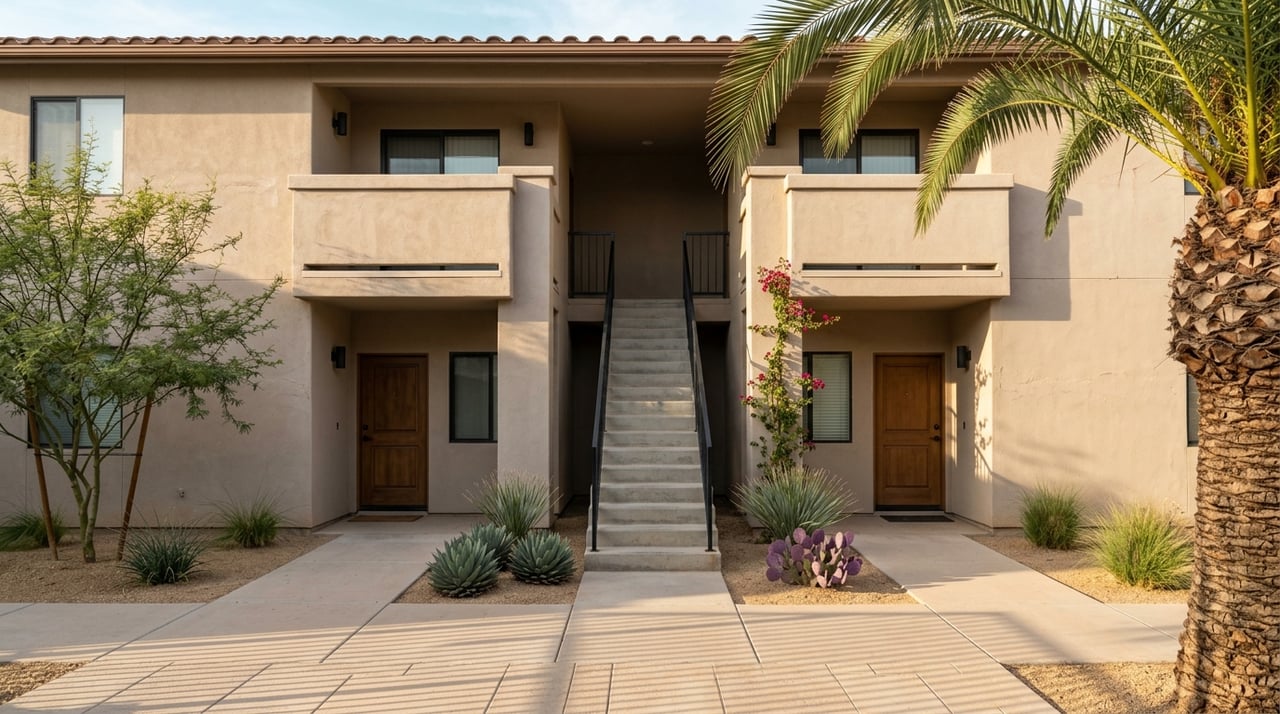
In Las Vegas, condos are usually part of a common-interest community. That means you own your unit and also share responsibility for common expenses like maintenance, insurance, and other shared elements through the association.
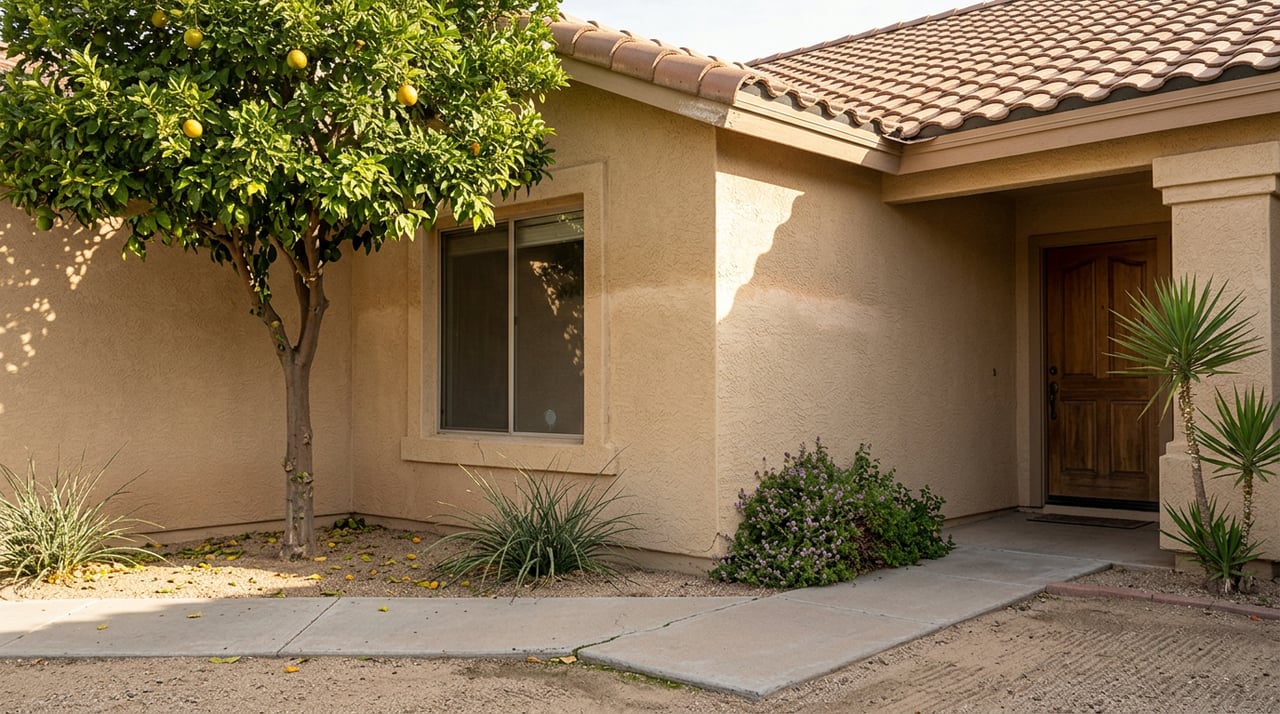
A detached house usually gives you more direct control over the property. At the same time, it often means more hands-on responsibility for upkeep, repairs, and exterior maintenance.
If affordability is a top priority, the price gap between condos and houses in Southern Nevada is worth a close look. Recent Las Vegas Realtors data reported by FOX5 showed an April 2026 median sale price of $473,875 for existing single-family homes and $290,000 for condos and townhomes.
That lower condo price point can open the door for buyers who want ownership with a smaller upfront cost. It can also make condos appealing if you want to stay flexible with your monthly budget or keep more cash available for savings, repairs, or future moves.
At the same time, list price is only part of the story. In a market with more options than a year earlier, comparing total monthly carrying cost is often more useful than comparing sticker price alone.
A condo may cost less to buy, but you also need to factor in HOA dues. Those dues are usually paid separately from your mortgage and can range from a few hundred dollars to more than $1,000 per month.
For both condos and houses, your monthly housing cost may include:
One important point for Las Vegas buyers: a house does not automatically mean no HOA. Some single-family homes in planned communities also require association membership and monthly dues, so it is smart to check that early in your search.
For long-term budgeting, Clark County also notes that owner-occupied residential property tax increases are generally capped at 3% per year, while other property is capped at 8% per year. If you are buying a primary residence, that can help bring more predictability to future tax planning.
Maintenance is where the condo-versus-house choice often becomes very personal. Some buyers want less day-to-day responsibility. Others want the freedom that comes with handling things their own way.
With a condo, exterior upkeep and common-area maintenance are often handled through the association. That can reduce the amount of time you spend dealing with landscaping, shared amenities, parking areas, or building exterior issues.
With a house, you usually have more freedom, but more chores come with it. In Southern Nevada, that can include yard care, irrigation checks, and staying on top of seasonal outdoor water rules.
Because outdoor water use is a major local issue, the Southern Nevada Water Authority requires seasonal watering restrictions. If you buy a house with a yard, you may need to pay closer attention to irrigation schedules, desert landscaping, and leak prevention. In many condo communities, some of that exterior responsibility is handled at the association level.
Insurance is another area where condos and houses work differently. If you are comparing monthly costs, this deserves a careful look.
With a condo, the association fee often includes master insurance for common areas. But that does not mean you can skip your own insurance. You still need coverage for the interior of your unit and your personal property.
With a house, you are usually responsible for carrying the full homeowners policy directly. That means you control the policy, but you also carry the full responsibility for that coverage.
Many condo buyers like the convenience that comes with a more structured community setup. Shared amenities, common maintenance, and established rules can create a more predictable ownership experience.
On the other hand, those rules matter. In a common-interest community, ownership comes with obligations tied to the association, including fees and compliance with community documents.
A house may offer more flexibility for how you use your property, along with more privacy, yard space, and storage. But if the house is in a planned community, you may still have HOA rules to follow, so it is important to read the details rather than assume.
If you are thinking about buying a condo in Las Vegas, document review is a major part of the process. Nevada gives buyers important information through the resale package, and that package deserves real attention.
The resale package includes items such as:
Under Nevada rules, the resale package remains effective for 90 days. Buyers generally also have five days to cancel after receiving the package, which makes timely review especially important.
This is one area where steady guidance can really help. Knowing what to review, what questions to ask, and how fees or assessments affect your budget can make a big difference before you commit.
For many Las Vegas buyers, a condo makes sense if you want convenience, shared amenities, and less direct maintenance. It can also be a practical choice if the lower purchase price helps you get into the market more comfortably.
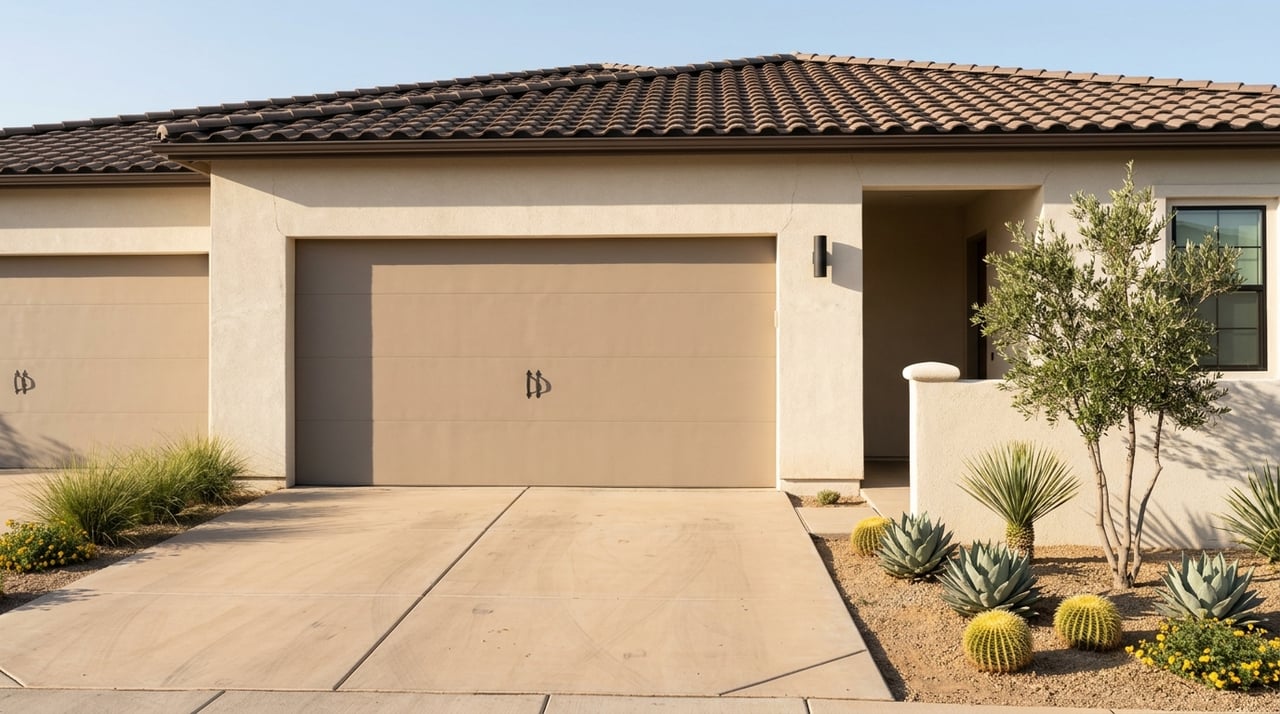
A house often fits better if you want more privacy, yard space, storage, and greater flexibility in how you live in the home. If you enjoy having more control over your property and do not mind more upkeep, a house may feel like the better long-term fit.
Here is a simple way to think about it:
The current market gives buyers a reason to slow down and compare carefully. FOX5 reported that in April 2026, Southern Nevada had 6,689 single-family homes and 2,580 condos and townhomes listed without offers, showing more available choices than a year earlier.
That does not mean every property is a bargain. It does mean you may have more room to compare features, monthly costs, HOA structures, and maintenance trade-offs before making a decision.
If you are choosing between a condo and a house in Las Vegas, the best move is usually not the one with the lowest list price or the biggest floor plan. It is the one that matches your lifestyle, your comfort with upkeep, and your long-term budget.
Whether you are weighing resale options or comparing a condo with a newer home, having a local guide can help you sort through the numbers and the fine print. If you want practical advice tailored to your goals, connect with Lisa Vaughn.
Stay up to date on the latest real estate trends.





I am committed to guiding you every step of the way—whether you're buying a home, selling a property, or securing a mortgage. Whatever your needs, I've got you covered.

Lisa Vaughn
2225 Village Walk Dr Ste 260 Henderson NV 89052