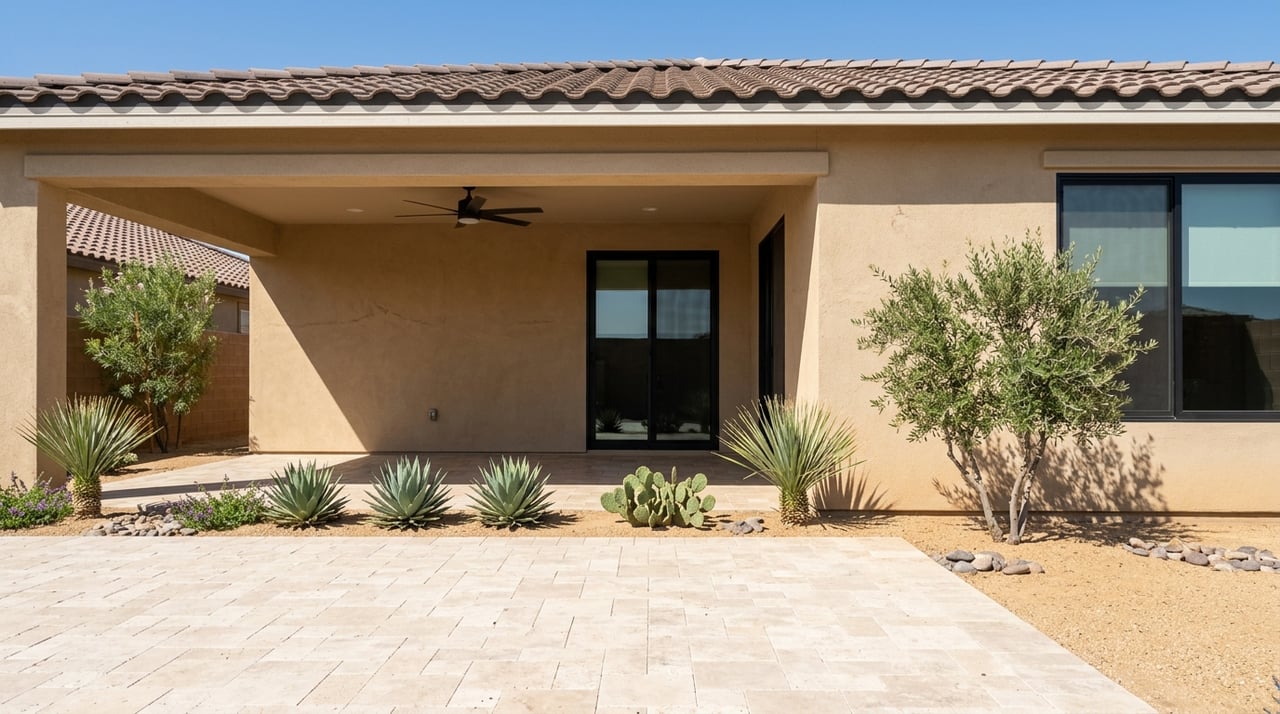
Strategic Las Vegas Home Pricing for Confident Sellers
April 23, 2026
April 23, 2026
Wondering why one Las Vegas home gets attention right away while another sits and chases the market with price cuts? In today’s market, choosing the right list price is less about picking an optimistic number and more about positioning your home where buyers will see real value. If you want to sell with fewer surprises, this guide will show you how pricing works, what data matters most, and when a price adjustment may make sense. Let’s dive in.
If you are selling in Las Vegas, it helps to start with the bigger picture. March 2026 data showed a market with more choice for buyers, not less. According to Southern Nevada MLS coverage reported by KOLO 8, the median existing single-family sale price was $480,000, with 6,456 single-family homes listed without offers and supply at more than three months.
Other data sources show a similar theme, even though the numbers are not directly interchangeable. Redfin’s Las Vegas market data reported a median sale price of $448,000, 60 median days on market, homes selling at 98.0% of list price on average, and 28.4% of homes with price drops. Meanwhile, Zillow’s Clark County market page showed a typical home value of $431,014, a median sale-to-list ratio of 0.986, 12,149 homes for sale, and 62.6% of sales closing under list price.
The takeaway is not that one number tells the whole story. It is that buyers in Las Vegas and Clark County are comparing options carefully, and many homes are selling below list price. That makes accurate pricing on day one especially important.
A smart list price is not a guess, and it is not just your target net. According to the National Association of Realtors consumer pricing guide, pricing recommendations should reflect your home’s size, location, amenities, and condition, along with current market conditions and your timeline.
That means your ideal price depends on more than square footage. A well-maintained home with strong presentation may be positioned differently than a similar home that needs updates. A seller who wants a faster move may also price more competitively than someone with more flexibility.
It also matters what kind of home you are selling. Single-family homes, condos, and townhomes can behave differently in the Las Vegas market, so using one blanket market number for every property type can lead you off course.
If you want the clearest picture of value, start with nearby sold homes. NAR explains that comparable sales, often called comps, are recently sold homes in the same area used in a comparative market analysis, and sold inventory is more reliable than active listing prices when estimating a realistic price.
That distinction matters. Active listings show what other sellers hope to get. Closed sales show what buyers actually paid.
Fannie Mae’s comparable sales guidance also reinforces that strong comps should share similar physical and legal characteristics, including site, room count, finished area, style, and condition. When available, sales from the same market area are usually the best indicator of value.
Even though sold homes carry more weight, active listings still affect your strategy. Buyers shopping in Las Vegas will compare your home against current alternatives, including resale homes, condos, and nearby new construction where available.
NAR specifically advises sellers to consider how many other homes are for sale and whether they are competing with new homes or condos. That is especially relevant in the Las Vegas Valley, where builder inventory and incentives can shape buyer expectations.
It is tempting to “test the market” with a higher price. The problem is that buyers usually see through it, especially when they have options.
NAR’s seller guidance says homes priced more than 3% above the correct price tend to take longer to sell. It also advises sellers to at least consider lowering the price if a home has been on the market for more than 30 days without an offer.
Local data points in the same direction. Redfin reported that 28.4% of Las Vegas homes had price drops in March 2026, and Zillow reported that 62.6% of Clark County sales closed under list price. In practical terms, a high starting price often creates a correction later instead of a premium result.
When inventory rises, buyers become more selective. According to the KOLO 8 report on Southern Nevada MLS data, thousands of single-family homes were on the market without offers in March 2026. In that kind of environment, an overpriced listing can go stale faster.
A stale listing can create a different problem too. Buyers may start wondering what is wrong with the property, even when the real issue is simply price.
NAR’s marketing your home guide notes that competitively pricing a home can expand the pool of interested buyers. More interest early often gives you a better path than trying to recover after multiple reductions.
List price should reflect the condition buyers will see, not just the home you remember living in. If your home needs repairs, has dated finishes, or shows wear compared with recent sold comps, that should be accounted for in the pricing strategy.
On the flip side, presentation can help your home compete better. NAR’s 2025 staging report found that 29% of agents saw a 1% to 10% increase in value offered when homes were staged, and 49% saw faster sales. That does not mean staging guarantees a certain result, but it does show that condition and presentation can affect both buyer response and time on market.
Not every upgrade adds dollar-for-dollar value, and not every comp tells the whole story. If a comparable sale included seller concessions, that number may need to be adjusted when you use it as a benchmark.
Fannie Mae’s adjustment guidance says comparable sales with concessions must be adjusted for their effect on price. In other words, if a seller gave credits or favorable terms, the recorded sale price may not reflect pure market value in the same way as a cleaner transaction.
The right list price depends partly on your goals. If speed matters because you are relocating, buying another home, or trying to keep the process simple, a sharper price may help attract more buyers sooner.
NAR notes that sellers who want to move quickly may choose a more competitive price, while sellers with more time may ask more. It also notes that if higher interest rates are discouraging buyers, an agent may recommend a lower asking price to improve demand.
That does not mean underpricing your home. It means matching your pricing strategy to your priorities and the current market.
For most Las Vegas sellers, the goal is to launch in a realistic price band from the start. A data-driven list price is not a promise of value. It is a market-positioning decision based on sold comps, condition, competition, and buyer demand.
A practical pricing review usually includes:
NAR also says you can meet with multiple agents before deciding, and the seller has the final say on the asking price. That is important because good pricing is both data-based and personal to your goals.
Sometimes the first price is not the final price. If your home has been on the market for a few weeks without meaningful activity, the market may be giving you useful feedback.
A price reduction may be worth discussing if:
In many cases, an early and thoughtful adjustment is better than waiting too long. The longer a listing sits, the harder it can be to regain momentum.
The best list price is usually the one that puts your home in the strongest position right away, not the one that sounds best in conversation. In a Las Vegas market where buyers have options and many homes sell under list price, realistic pricing can help you attract attention, reduce time on market, and avoid the cycle of chasing the market down.
If you want clear guidance on how your home compares to recent sales, competing listings, and nearby new construction, Lisa Vaughn can help you build a pricing strategy that fits your goals and your timeline.
Stay up to date on the latest real estate trends.

I am committed to guiding you every step of the way—whether you're buying a home, selling a property, or securing a mortgage. Whatever your needs, I've got you covered.
Lisa Vaughn
2225 Village Walk Dr Ste 260 Henderson NV 89052