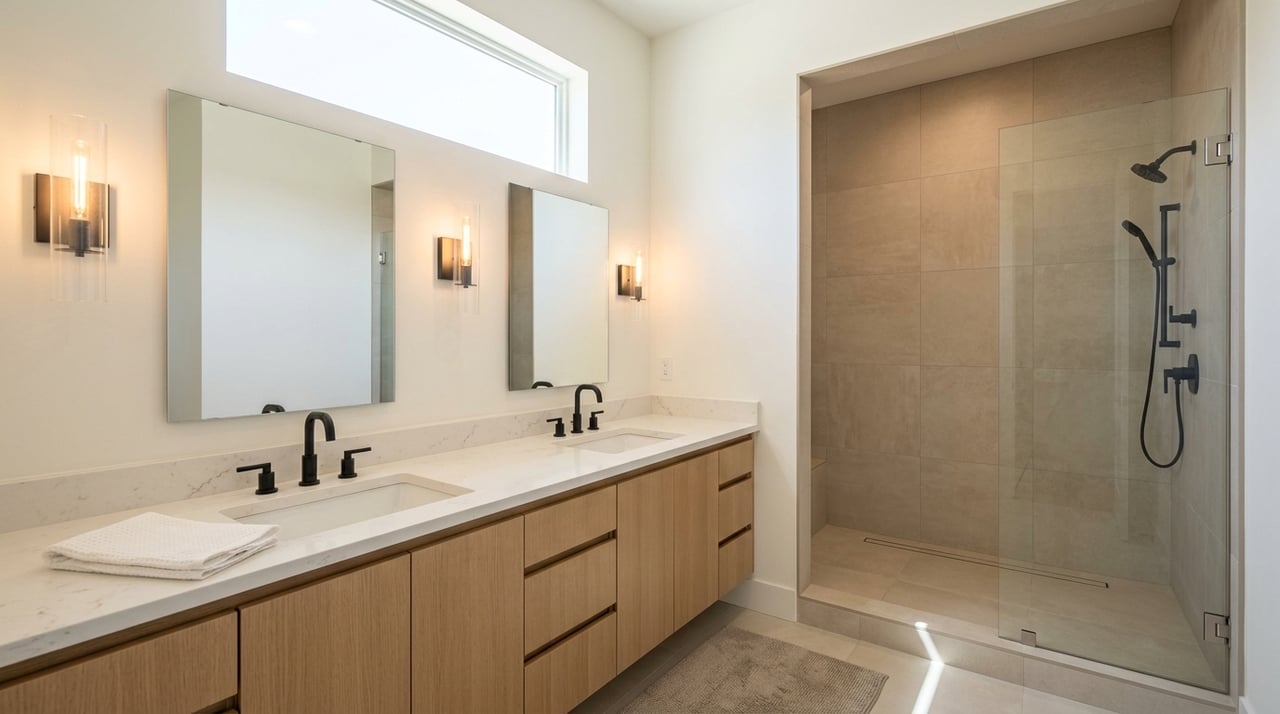
Smart Ways to Sell and Buy a Home in Henderson
May 21, 2026
May 21, 2026
Trying to sell your current home while buying your next one in Henderson can feel like a high-wire act. You want to protect your equity, avoid paying for two homes at once, and line up move dates without unnecessary stress. The good news is that with the right plan, you can make the process much more manageable. Let’s walk through the timing, options, and local details that matter most.
Henderson’s housing market is active, but it is not a market where you should assume your home will sell instantly or that your purchase will line up on the exact same day. Recent market snapshots show a median sale or list price range around the high $400,000s to mid $500,000s, with time on market and time to pending varying by source from roughly 33 to 62 days.
The main takeaway is simple: build your plan around a likely timing gap. If you sell first, buy first, or try to do both at once, you need a backup occupancy plan in case the dates do not match perfectly.
Before you look at homes or set a list date, you need a clear picture of what you can actually use from your current home sale. That means estimating your likely sale price, subtracting your mortgage payoff and closing costs, and understanding how much cash will be available for your next purchase.
You also need to know whether you can qualify to buy before your current home sells. In many cases, your best path depends on four things:
This is where a practical, local strategy matters. In Henderson, timing is often less about finding a perfect sequence and more about choosing the sequence that creates the least risk for your household.
For many homeowners, this is the most conservative path. Selling first can reduce the chance that you will be carrying two housing payments at the same time, and it gives you a clearer number for your available proceeds.
The tradeoff is that you may need a temporary place to live or a way to stay in your current home for a short period after closing. If your sale closes before your next purchase is ready, you need a plan for where you will go and how your belongings will be handled.
Selling first may be the better fit if:
This approach can give you more financial clarity, but it usually works best when you are realistic about the possibility of a short gap between closings.
Buying first can sound more convenient because you can move once and avoid temporary housing. It may also help if you find the right home and do not want to miss the opportunity.
The challenge is financing. If you buy before selling, you may need access to equity from your current home through a bridge or swing loan, a home equity loan, or a HELOC. These tools can help, but they also increase complexity and require careful lender review.
Bridge or swing loans can help you close on your next home before the old one sells. However, lender rules matter. Fannie Mae guidance says the loan cannot be cross-collateralized against the new property, and the lender must document your ability to carry the new home, the current home, the bridge loan, and your other obligations.
A HELOC or home equity loan may also provide access to funds, but both are second mortgages. If you are considering this route, your financing plan has to be solid before you make a move.
A contingency can help connect your sale and purchase timelines. In plain terms, it creates a contract path that gives you time to sell or close on your current home before you complete the purchase of the next one.
Two common approaches are:
Contingencies should be written clearly with specific timelines. If the deadlines are not met and the parties are acting in good faith, the contract can often be canceled without penalty.
Depending on the situation, your transaction may also use tools such as:
The right mix depends on your sale timeline, your financing, and how much flexibility both sides are willing to give.
If you sell your Henderson home but need a little more time before your next property is ready, a rent-back can be one of the most practical solutions. This arrangement lets you remain in the home for a set period after closing.
The agreement should always be in writing, and insurance details need to be addressed clearly. Many lenders do not accept leasebacks longer than 60 days, so this is usually a short-term tool rather than a long-term fix.
Even with strong planning, dates can shift. A buyer’s loan may take longer, repairs may delay closing, or your replacement home may not be ready when expected.
That is why temporary housing is often the safest backup plan. It allows you to close, access your equity, and buy your next home without rushing into an offer that does not fit your goals.
If you are selling in Henderson, state requirements can directly affect your schedule. Nevada sellers must use the current residential disclosure form, and it must be completed and served at least 10 days before conveyance.
If you discover a new defect before closing, you must notify the buyer in writing as soon as practical and no later than conveyance. This means disclosure timing is not something to leave until the last minute.
If your home is in an HOA, the resale package can become an important part of your timeline. Under Nevada law, the association must furnish the resale package within 10 calendar days after a written request, and that package remains effective for 90 calendar days.
The buyer generally has 5 calendar days after receipt to cancel, and the purchase contract must include that cancellation right. The package includes governing documents, current fees, reserve information, and statements about judgments or pending legal actions.
Because HOA communities are common in Nevada, this paperwork is a routine part of many Henderson resale transactions. If you wait too long to request it, your closing timeline can tighten fast.
If you are trying to sell and buy at the same time, this is a practical order to follow:
This kind of planning can reduce stress and help you make clearer decisions when timing gets tight.
A simultaneous sale and purchase is not just about pricing. It is about syncing equity, financing, possession dates, contract deadlines, and local paperwork.
That is especially true if you are comparing resale options with newer homes or new construction in the Henderson area. Builder timelines, resale closings, and occupancy dates do not always move at the same speed, so your strategy needs to account for real timing, not ideal timing.
With 30 years of full-time experience and a background in both resale and new construction, Lisa Vaughn focuses on helping you think through the moving pieces early, negotiate with clarity, and avoid preventable surprises. If you are planning your next move in Henderson, Lisa Vaughn can help you map out the right sequence for your sale and purchase.
Stay up to date on the latest real estate trends.



I am committed to guiding you every step of the way—whether you're buying a home, selling a property, or securing a mortgage. Whatever your needs, I've got you covered.

Lisa Vaughn
2225 Village Walk Dr Ste 260 Henderson NV 89052